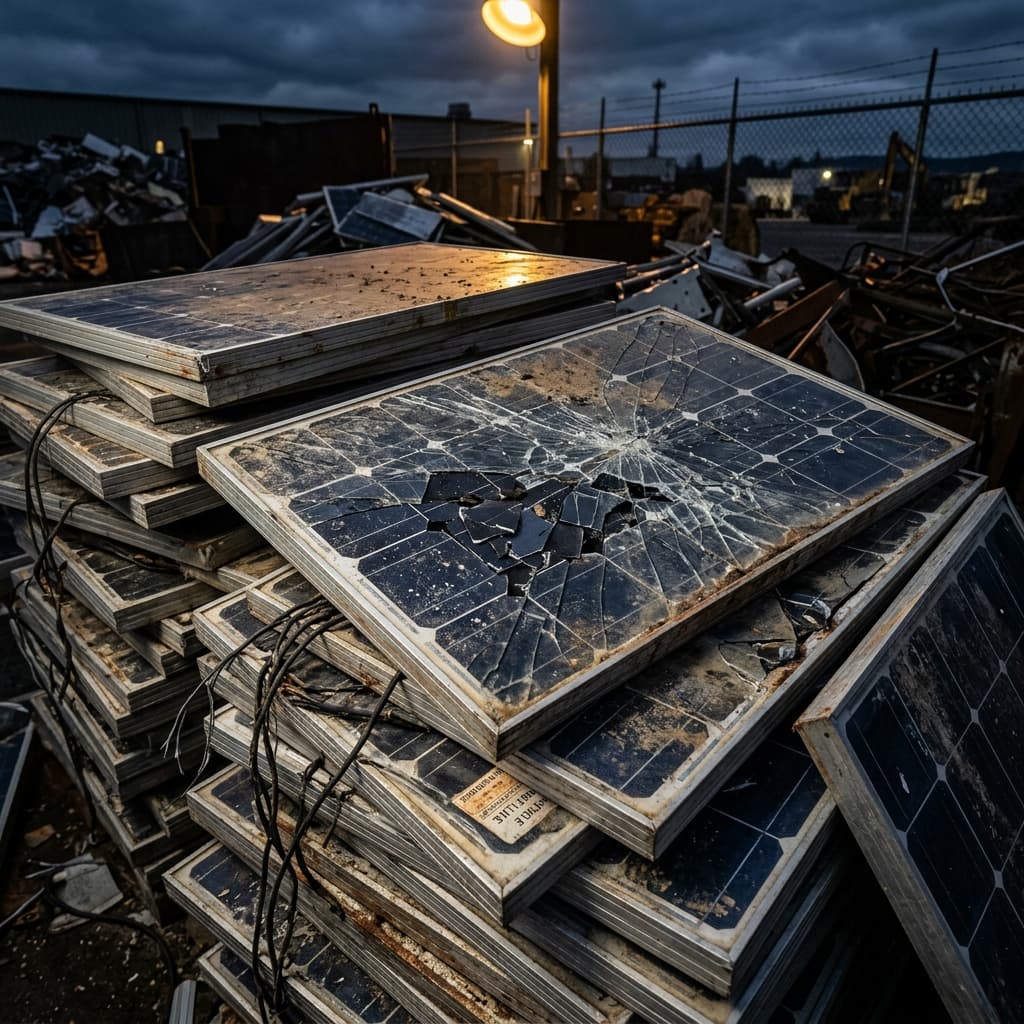
The Impending Solar Waste Wave
The global shift towards renewable energy has driven a massive proliferation in solar panel installations over the last two decades. While this transition represents a significant step forward in combating climate change, it brings a hidden challenge: what happens when these solar panels reach the end of their 20-30 year lifespans?
Current projections estimate that by 2050, the world will be looking at nearly 78 million tonnes of solar panel waste. If relegated to standard landfills, the toxic metals inherently found in earlier generations of panels—such as lead and cadmium—run the risk of leaching into soil and groundwater systems, posing severe environmental contamination threats.
The Environmental Imperative
Discarding end-of-life panels not only risks ecological damage but represents a monumental loss of highly valuable, energy-intensive raw materials. Extracting virgin materials like silver, copper, and highly purified silicon takes a huge toll on our natural landscapes and emits substantial greenhouse gases.
Creating a robust recycling infrastructure is the only logical remedy. By recovering these materials, we effectively 'mine' old panels to create new ones, drastically cutting down the carbon expenditure of the solar industry itself and reinforcing its core mission of a cleaner environment.
Looking Ahead: The Kreon Initiative
Addressing the solar waste numbers begins with proactive management. At Kreon Green Energy, we believe the narrative shouldn't be about impending catastrophe, but about a massive opportunity for an enduring circular economy. True sustainability demands that renewable energy technology remains clean from its inception right through to its end-of-life phase.